Commercial Waste Chessington: Recycling and Sustainability
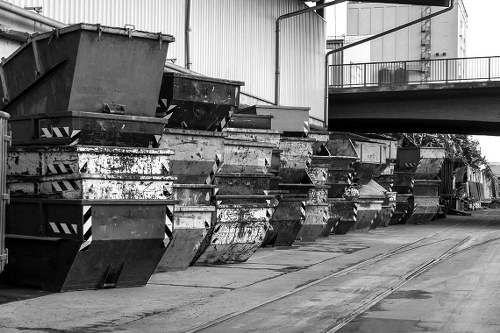 Commercial Waste Chessington operations are built around a simple promise: reduce landfill, increase reuse, and shift to low-carbon rubbish solutions across the town and neighbouring boroughs. This page outlines our sustainability approach for managing commercial refuse in Chessington and nearby areas, including targets, local transfer options, charity partnerships and the low-emission fleet that serves businesses of every size.
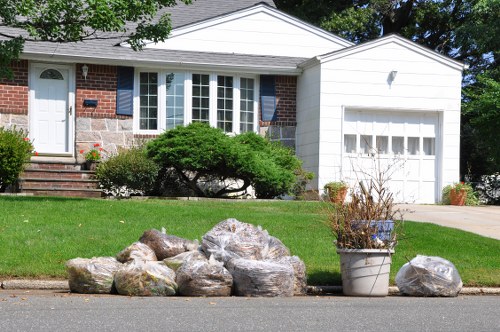
Our plan for handling commercial waste in Chessington is aligned with borough-level separation practices: clear streams for dry recycling, food waste, glass and mixed paper are encouraged to complement local kerbside standards. We work with businesses to implement on-site segregation that mirrors the borough's approach to waste separation — making it easier for staff and contractors to follow local recycling rules and improve capture rates.

Recycling and Percentage Target
We have set an ambitious recycling percentage target for all Chessington commercial waste collections: a minimum 65% recycling and reuse rate by 2028, moving progressively toward 75% by 2035. This target covers material streams diverted from landfill through recycling, composting and repair/reuse channels. Achieving this relies on strong source separation, education for site teams, and infrastructure investments like better bins, signage and segregated compactors.
Local Transfer Stations & Strategic Logistics
Commercial rubbish in Chessington is routed to strategically chosen transfer stations to minimize journey times and emissions. We prioritise local transfer facilities to reduce vehicle miles: examples include nearby Kingston and Surbiton transfer hubs (and equivalent municipal facilities) that consolidate loads before onward movement to recycling centres and processing facilities. By routing through local transfer stations we lower costs and carbon impacts, while keeping material streams clean and traceable.
 The low-carbon fleet is a cornerstone of our sustainable rubbish operations. Our vans are a mix of electric, plug-in hybrid and efficient diesel models, with a clear roll-out plan to reach a fully low-emission fleet for local deliveries and collections. Telematics and route-optimisation software reduce empty miles and idle time. For night-time or peak services we use vehicles calibrated to local noise and emissions standards to support community wellbeing in Chessington.
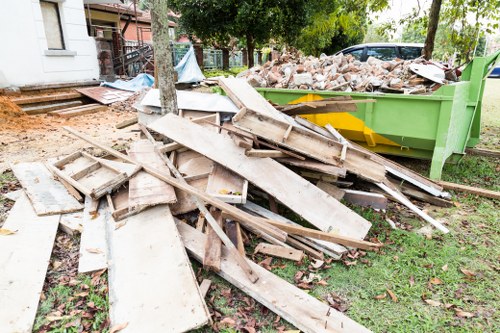
To support clients that produce specialised waste streams — such as clinical-type packaging, bulky inert materials or construction spoil — we offer segregated collection options and liaise with licensed processors. These services are designed with both regulatory compliance and minimal environmental impact in mind.
Partnerships with charities and reuse organisations are central to our waste hierarchy. Instead of disposing of serviceable items, we coordinate with local and regional charities, furniture reuse centres and social enterprises to divert usable office furniture, electronics and surplus stock. Partnerships include donation scheduling, quality checks and direct logistics so that suitable items are rehomed rather than shredded or landfilled. These collaborations support local communities while delivering measurable sustainability outcomes.
 Key diversion activities we promote for commercial customers in Chessington include:
- Segregated collections for paper, cardboard, mixed recycling and glass to improve material quality.
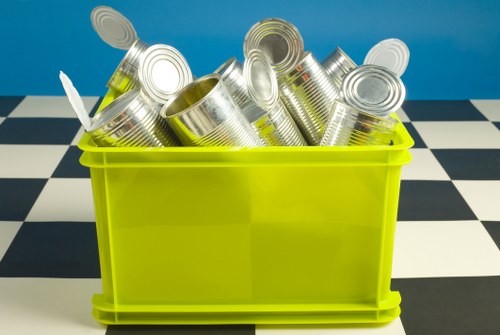
- Food waste captures for businesses that produce daily organic waste, enabling anaerobic digestion and composting options.
- Re-use and donation pathways for fixtures, appliances and office equipment through charity partners.
- Hazardous and restricted streams managed to legal and environmental standards with licensed processors.
We also run periodic audits and training sessions for client staff to increase recycling participation and to lower contamination rates. These practical steps are inexpensive but effective, and directly support the borough's separation ambitions as well as company-level sustainability goals.
 Measuring progress and transparency is vital: clients receive regular reporting on tonnes reused, recycled and diverted from landfill, along with CO2e savings from efficient routing and low-carbon vans. Targets are reviewed annually and adjusted in collaboration with businesses, transfer station partners and charity networks to ensure continuous improvement. Our objective is to position Chessington as a leader in sustainable commercial waste management across the region.
In summary, our Chessington commercial waste services combine pragmatic recycling targets, close coordination with local transfer stations, active charity partnerships and a low-emission vehicle fleet to deliver reliable, eco-friendly waste disposal. Whether described as Commercial Waste — Chessington, commercial rubbish Chessington or sustainable waste Chessington, the approach is the same: reduce, reuse, recycle, and innovate to lower environmental impact while supporting the economic health of local businesses.
