Health and Safety Policy for Commercial Waste Chessington Services
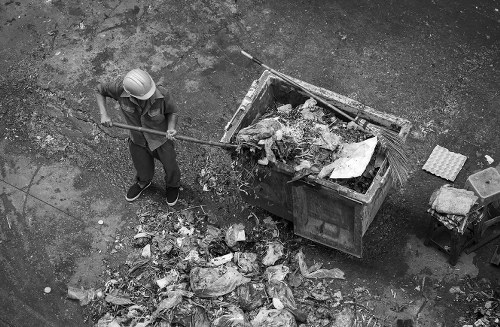 Policy overview: This Health and Safety policy sets out the responsibilities, controls and procedures for safe handling and disposal of commercial waste in Chessington and surrounding service areas. It applies to all employees, contractors and third-party operatives engaged in commercial rubbish collection, business waste management and associated services. The aim is to protect people, property and the environment by minimising hazards arising from everyday refuse removal, rubbish removal Chessington operations and skip servicing.
All personnel must follow the documented systems of work, report incidents, and participate in risk reduction activities. This policy supports compliance with relevant workplace safety standards and industry best practice for commercial refuse management. Managers will ensure that adequate resources, training and supervision are provided to maintain a safe working environment for those involved in trade waste and commercial rubbish services.
Key responsibilities
Employers will implement and maintain safe systems for commercial waste collection and disposal. Employees and subcontractors must act diligently and employ safe working methods during each stage of a job, from loading and transportation of commercial waste containers to on-site handover and offloading. The duty holders include:- Management – to assess risks, provide training and monitor compliance;
- Supervisors – to enforce safe procedures and carry out routine checks;
- Operatives – to wear appropriate PPE and follow safe handling rules.
Risk assessments will be carried out for routine tasks such as bin lifts, compactors, vehicle loading and manual handling of heavy or awkward items. Assessment outcomes will determine control measures including safe lifting techniques, mechanical aids, exclusion zones and traffic management on client premises. The approach ensures that business waste collection and industrial rubbish handling are performed with minimal risk to staff and the public.

Training and competence
Training is a cornerstone of safe commercial waste services. All staff receive induction covering general safety, hazardous waste identification, sharps awareness and emergency procedures. Additional vocational training is provided for vehicle operators, crane and hi-ab users, and those handling segregated waste streams. Records of training and competence assessments are maintained so that the company can demonstrate that operatives are fit for the duties assigned.Personal protective equipment (PPE) is provided according to task risk and must be worn at all times when required. Typical PPE includes gloves, hi-visibility clothing, steel-toe boots and eye protection. Where appropriate, respiratory protection and chemical-resistant gear are issued. Supervisors will ensure PPE is serviceable and replaced as needed. Consistent use of PPE reduces the likelihood of cut injuries, contamination and inhalation risks during rubbish clearance operations.
Operational controls include vehicle safety checks, segregation and labelling of waste streams, secure containment and clear communication of site hazards. Vehicles used for commercial rubbish collection undergo daily inspections for brakes, lights, securing devices and load retention systems. Drivers follow established safe routes and parking protocols to prevent collisions and reduce public exposure to operational activities.
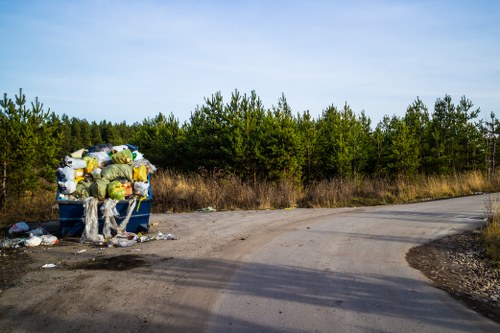 Environmental controls ensure that spills, leaks and fly-tipping risks are minimised. Procedures for managing hazardous substances, clinical waste and liquids are in place and comply with safe transfer and disposal standards. Spill kits, secondary containment and clear transfer documentation are maintained to protect the local environment while conducting commercial waste and recycling services.
 Emergency procedures and incident reporting Emergency response plans cover vehicle incidents, injuries, fire and hazardous material exposure. Staff must report incidents promptly through the company incident reporting system so that corrective actions and trend analysis can reduce recurrence. First aid provisions and trained first aiders are available, and serious incidents are escalated to senior management for investigation.
Monitoring, audit and continual improvement: safety performance is monitored through inspections, toolbox talks and periodic audits. Findings lead to revised risk assessments, refresher training and improvement of safe working procedures. This continuous improvement cycle supports a culture of safety and ensures the company remains responsive to changing commercial waste service needs.
In summary, this policy sets out a clear framework for safe delivery of commercial refuse and waste services within the service area. By emphasising accountability, training, appropriate PPE and robust operational controls, the intent is to maintain a safe working environment for staff and the communities served while delivering professional business waste and rubbish removal solutions.
